

Parkinsons
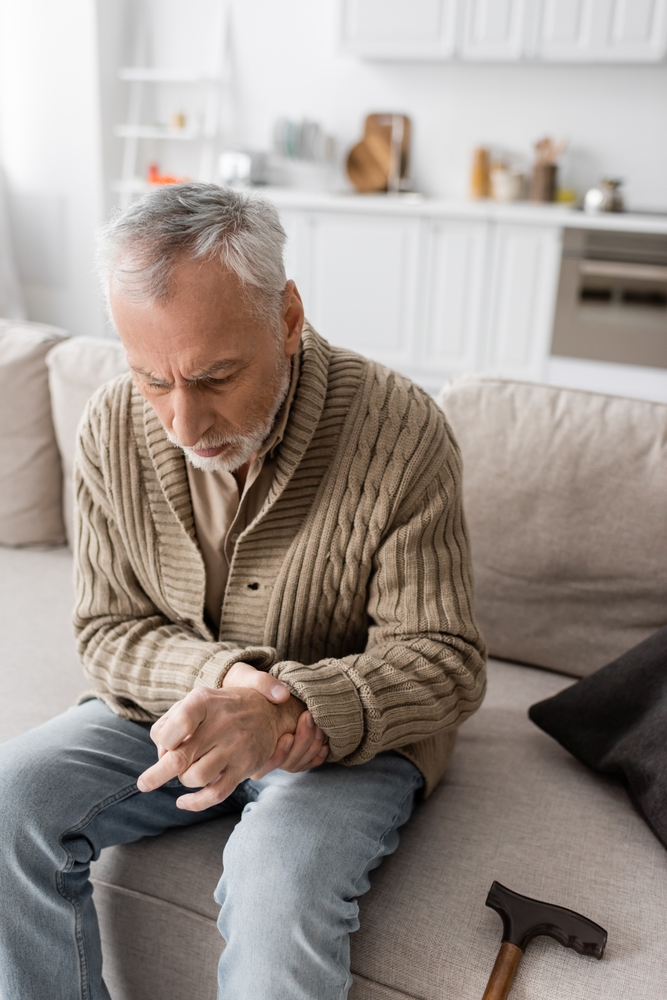
Medication aside, there are many ways people living with Parkinson’s disease can improve their health and well-being, preserve physical function, ease symptoms and enhance quality of life. Chief among these are getting regular exercise, eating a healthy diet, staying hydrated and getting an adequate amount of sleep.
But what about non-traditional therapy? Integrative therapies, such as acupuncture, homeopathic injections, massage, dietary supplements and non force chiropractic methods.
Here are integrative therapies to consider:
Acupuncture is a staple of traditional Chinese medicine, whose basic principle is that simulating points along the body’s meridians, or energy pathways, can alleviate pain, among other positive benefits. For that reason, it’s commonly used to treat Parkinson’s disease in China and other countries.
Patients in the U.S. who try it often report that it helps alleviate such issues as fatigue and poor sleep. Some studies in animals have shown that acupuncture can be neuroprotective (slowing the degeneration of neurons that leads to Parkinson’s disease)
Homeopathic Injectables and pills
1. Lycopodium is a commonly used potent herbal medicine which helps slow or stop the loss of Dopaminergic Neurons by Suppressing Oxidative Stress and Neuroinflammation. Parkinson’s disease, a chronic, age-related neurodegenerative disorder, is characterized by a progressive loss of dopaminergic neurons.
2. Agaricus muscarius
· Useful for tremors, spasmodic movements, and unsteady gait.
· Indicated when symptoms worsen in cold weather and improve with movement.
. 3. Gelsemium
· Recommended for weakness, trembling, and lack of muscular coordination.
· Suitable for cases with extreme fatigue and mental exhaustion.
4. Zincum metallicum
· Beneficial for restless legs, twitching, and involuntary muscle movements
· Helps with general nervous exhaustion.
5. Hyoscyamus niger·
· Used for involuntary jerking movements and muscle twitching.
· Effective in cases with restlessness and anxiety.
6. Causticum
· Indicated for progressive paralysis and muscle stiffness.
· Helpful for patients with difficulty in speech and swallowing.7. Plumbum metallicum
· Used for muscle rigidity, slow movements, and paralysis tendencies.
· Suitable for cases where there is severe neurological degeneration.
Big Benefits of Massage for Parkinson's
Parkinson’s disease is a chronic, progressive neurological disorder that causes movement-related symptoms such as tremors and rigidity. This disease affects over one million Americans, and its effects are progressively debilitating to the point a person with Parkinson’s cannot work or carry out daily tasks.
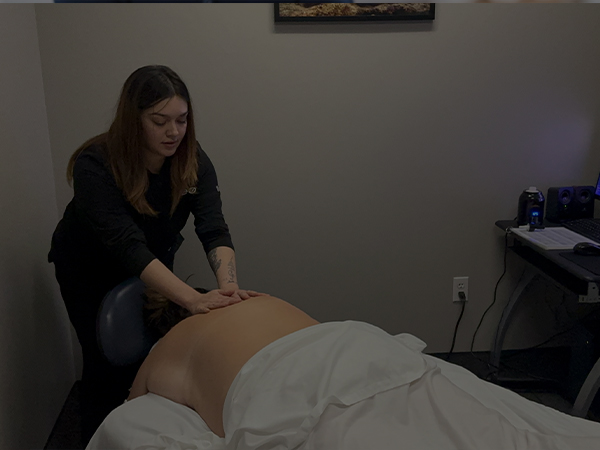
Massage has been shown to alleviate many of these symptoms, including stress, pain, and depression. Massage therapy may increase blood flow to the brain, decrease muscle stiffness, promote relaxation, and increase mobility in some people with Parkinson’s disease. Research has shown that massage can also improve gait speed by about 10%. Massage therapy for Parkinson’s disease is most effective when combined with other medical and natural therapies.
Certain nutritional supplements may help manage symptoms of Parkinson's disease and support overall health, including vitamins B12, C, D, E, omega-3 fatty acids, Protandim and coenzyme Q10.
Non-Force chiropractic is a precise form of adjusting that alleviates nerve interference. Potential benefits for Parkinson's
Improved mobility: Can help with neck stiffness, balance, gait, and coordination. Reduced symptoms: May decrease pain, fatigue, rigidity, and even tremors (especially with vibration therapy). Better sleep & mood: Optimizing the nervous system can help with non-motor symptoms like sleep issues and cognitive clarity.
At AaaahWellness we combine all of these therapies for best outcomes.

Our Services
Contact Info
Hours of Operation
- Monday 8:30AM - 7:00PM
- Tuesday 8:30AM - 6:00PM
- Wednesday 8:00AM - 7:00PM
- Thursday 8:30AM - 6:00PM
- Friday 8:00 AM - 1:00 PM
- Saturday Closed
- Sunday Closed
© 2026 Aaaah…Wellness. All rights Reserved. Accessibility Statement - Privacy Policy - Terms & Conditions - Sitemap
Powered by:
