

The Science Behind AMIT: How the Nervous System Affects Muscle Function
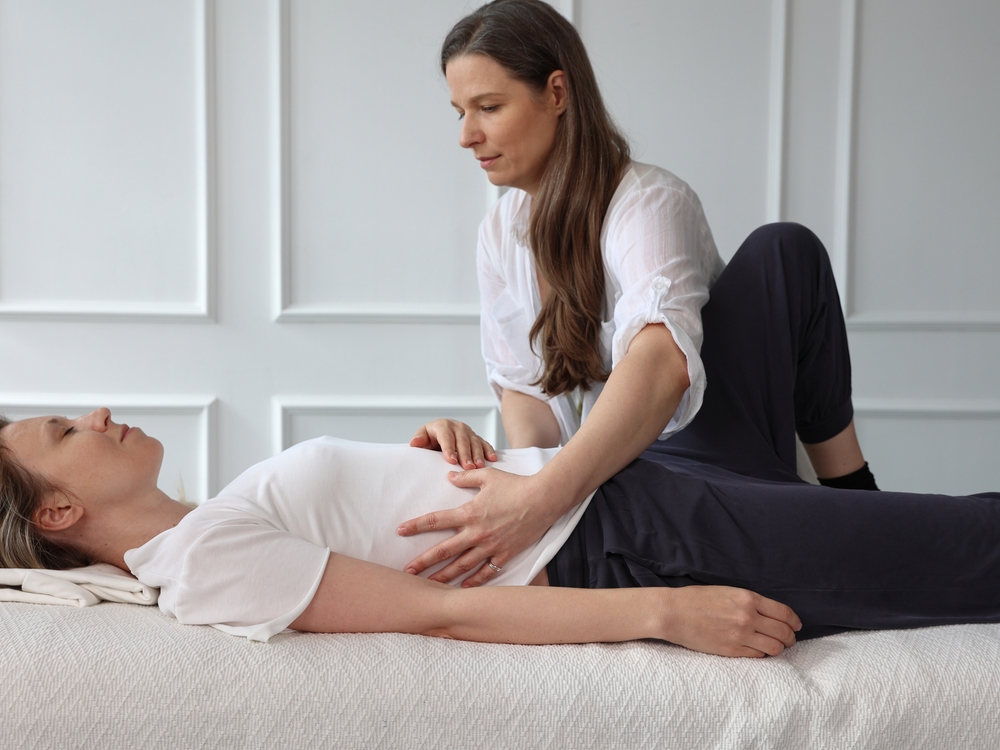
The body is an interconnected system, and muscle function depends on far more than strength alone. The nervous system acts as the command center, directing how muscles respond to movement, stress, and injury. When this communication is disrupted, muscles may fail to activate properly, leading to pain, imbalance, and reduced performance.
Understanding the Brain-Muscle Connection
Every movement you make begins in the brain. Signals travel through the spinal cord and peripheral nerves to tell muscles when to contract, relax, or stabilize a joint. When this communication is clear and efficient, muscles fire correctly and support the body as intended.
However, stressors such as injury, repetitive strain, emotional stress, or even prolonged poor posture can interfere with this signaling. When the nervous system senses a perceived threat, it may inhibit certain muscles to protect the body. Over time, this protective response can become chronic, even after the original issue has resolved.
The result is often:
Muscle weakness that does not improve with strengthening exercises
Chronic pain without a clear structural cause
Poor coordination or balance
Recurring injuries despite treatment
Why Muscles “Turn Off”
Muscles don’t shut down randomly. When the nervous system detects instability, inflammation, or stress, it may temporarily deactivate specific muscles to prevent further harm. While this response is useful in the short term, problems arise when the muscle remains inhibited long after the threat has passed.
When a muscle is neurologically inhibited:
Surrounding muscles compensate and become overworked
Joints lose stability and proper alignment
Movement patterns become inefficient
Pain and dysfunction persist despite traditional treatments
This is why some people feel stronger immediately after treatment focused on the nervous system - because the muscle was never damaged, it was simply not being activated correctly.
How Advanced Muscle Integration Technique (AMIT) Works
Advanced Muscle Integration Technique (AMIT) is a neurological-based approach that identifies and corrects inhibited muscle patterns. Rather than forcing muscles to strengthen through repetition, AMIT focuses on restoring proper communication between the brain and the body.
During an AMIT session, chiropractors assess muscle response and joint stability to determine which muscles are not firing properly. Once identified, specific neurological input is applied to help the brain recognize that it is safe to reactivate those muscles. The goal is not just temporary relief, but long-term correction of faulty movement patterns.
Benefits of AMIT for Muscle Function
Because AMIT addresses the nervous system directly, many patients experience improvements that go beyond pain relief. Benefits may include:
Improved muscle strength and coordination
Better joint stability and posture
Reduced compensatory movement patterns
Faster recovery from injuries
Enhanced athletic performance
Improved body awareness and movement efficiency
This approach is especially beneficial for individuals who have tried stretching, strengthening, or manual therapies with limited success.
AMIT in Mesa, AZ at Aaaah…Wellness
At Aaaah…Wellness, Advanced Muscle Integration Technique (AMIT) in Mesa, AZ is integrated into a comprehensive, patient-centered approach to care. By focusing on how the nervous system influences muscle function, treatment is tailored to each individual’s unique movement patterns and health goals. Whether you are dealing with chronic pain, recurring injuries, or performance limitations, AMIT offers a science-based method to help your body function the way it was designed to.
Contact Aaaah…Wellness to schedule a consultation and learn how AMIT can help restore strength, stability, and confidence in your movement. Visit our office in Mesa, Arizona, or call (480) 396-4400 to book an appointment today.
Our Services
Contact Info
Hours of Operation
- Monday 8:30AM - 7:00PM
- Tuesday 8:30AM - 6:00PM
- Wednesday 8:00AM - 7:00PM
- Thursday 8:30AM - 6:00PM
- Friday 8:00 AM - 1:00 PM
- Saturday Closed
- Sunday Closed
© 2026 Aaaah…Wellness. All rights Reserved. Accessibility Statement - Privacy Policy - Terms & Conditions - Sitemap
Powered by:
