

Top Signs You Have TMJ and What to Do About It
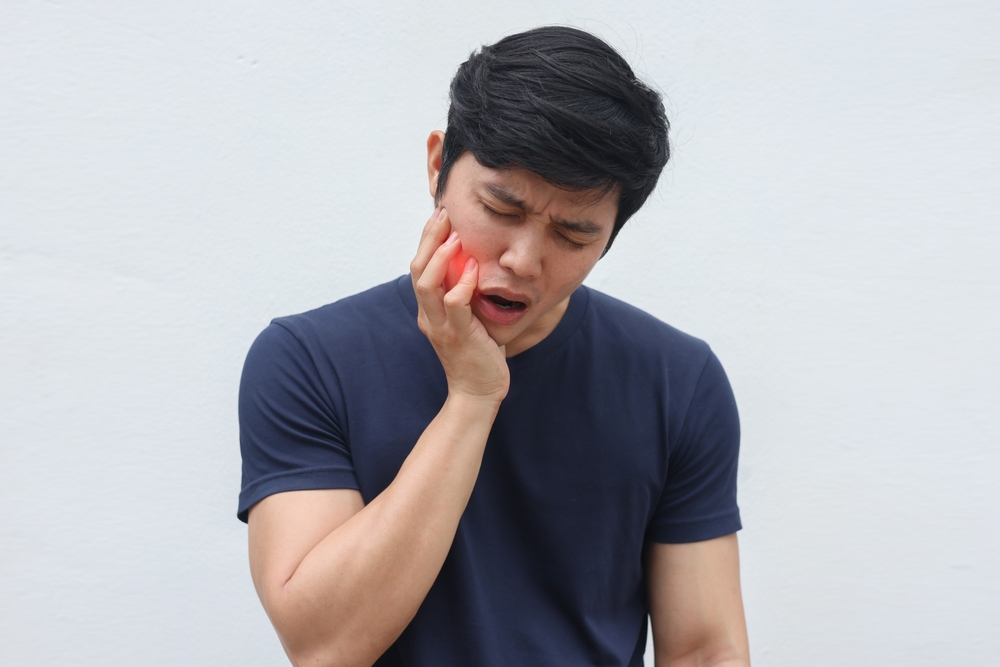
Jaw pain, headaches, and clicking sounds when you open your mouth are often brushed off as minor annoyances. But for many people, these symptoms point to a condition known as TMJ disorder. Understanding the warning signs is the first step toward finding relief.
What Is TMJ?
TMJ stands for the temporomandibular joint, the joint that connects your jaw to your skull. When this joint becomes irritated, misaligned, or overworked, it can lead to a collection of symptoms commonly referred to as TMJ disorder (or TMD).
Top Signs You May Have TMJ
Jaw Pain or Tenderness: One of the most common signs of TMJ is pain or tenderness in the jaw, especially near the ears. This discomfort may worsen when chewing, talking, or opening your mouth wide.
Clicking, Popping, or Grinding Sounds: Hearing or feeling clicking, popping, or grinding when you open or close your mouth can indicate that the joint is not moving smoothly. While not always painful, these sounds are a common red flag.
Headaches or Migraines: TMJ dysfunction often contributes to chronic tension headaches or migraines. The muscles around the jaw, neck, and head are closely connected, so dysfunction in one area can trigger pain in another.
Neck and Shoulder Pain: TMJ problems rarely exist in isolation. Many people experience neck stiffness, shoulder tension, or upper back pain due to poor posture and muscular compensation related to jaw misalignment.
Difficulty or Discomfort When Chewing: If chewing feels uncomfortable, uneven, or tiring, your jaw joints and muscles may not be working in harmony. Some people also notice their bite feels “off.”
Ear Symptoms Without Infection: TMJ can cause ear-related symptoms such as ringing (tinnitus), pressure, fullness, or ear pain - even when there is no ear infection present.
Limited Jaw Movement or Locking: A jaw that feels tight, stuck, or locks open or closed is another common indicator of TMJ dysfunction and should not be ignored.
What Causes TMJ Issues?
TMJ disorders can stem from several factors, including:
Poor posture, especially forward head posture
Teeth grinding or clenching (often stress-related)
Jaw or neck injuries
Misalignment of the spine or jaw
Chronic stress and muscle tension
Because TMJ is closely linked to the spine, muscles, and nervous system, addressing only the jaw often misses the bigger picture.
What to Do About TMJ Pain
Address the Root Cause: Temporary fixes like pain relievers or mouth guards may mask symptoms, but lasting relief often comes from correcting the underlying structural and neurological imbalances.
Reduce Muscle Tension: Gentle therapies that relax overactive muscles in the jaw, neck, and shoulders can significantly reduce pain and improve movement.
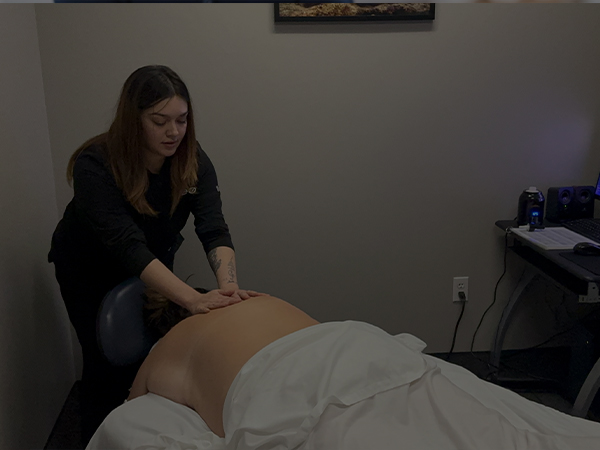
Consider Chiropractic Care: Chiropractic care focuses on restoring proper alignment and nervous system function. By addressing spinal misalignments, especially in the neck and upper back, chiropractic care can help reduce jaw tension, improve mobility, and support the body’s natural healing processes.
At Aaaah…Wellness, chiropractic care in Mesa, AZ is approached with a whole-body perspective, recognizing that TMJ symptoms are often connected to posture, spinal health, and nervous system balance.
Take the Next Step at Aaaah…Wellness
TMJ symptoms can show up in many ways - from jaw pain and headaches to neck tension and ear discomfort - but they all point to an underlying imbalance that deserves attention. Ignoring these signs can allow the problem to worsen over time. By understanding the root causes and choosing a holistic approach, many people find meaningful, long-term relief.
If you’re experiencing jaw pain, headaches, or other signs of TMJ, don’t wait for symptoms to become chronic. Contact Aaaah…Wellness to learn how chiropractic care can help address the underlying causes of TMJ and support your overall health. Visit our office in Mesa, Arizona, or call (480) 396-4400 to book an appointment today.
Our Services
Contact Info
Hours of Operation
- Monday 8:30AM - 7:00PM
- Tuesday 8:30AM - 6:00PM
- Wednesday 8:00AM - 7:00PM
- Thursday 8:30AM - 6:00PM
- Friday 8:00 AM - 1:00 PM
- Saturday Closed
- Sunday Closed
© 2026 Aaaah…Wellness. All rights Reserved. Accessibility Statement - Privacy Policy - Terms & Conditions - Sitemap
Powered by:
